01 — OVERVIEW
TOOLS
Figma · FigJam · Figma Make
Business Companion
Helping local business owners understand what matters next.
CATEGORY
AI · Mobile · SaaS

VIEW INTERACTIVE PROTOTYPE
02 — THE PROBLEM
Business owners don’t need more data. They need to know what matters.
Local business owners may not always be physically present at their business. They often rely on staff updates, messages and multiple sources of information to understand sales, inventory, payments and overall business performance. The design opportunity was to bring these signals together into one simple, actionable experience.

03 — RESEARCH
Research contexts
01 · REMOTE VISIBILITY
A business owner may work elsewhere or have responsibilities outside the business and still need to know what is happening.
02 · STAFF ACCOUNTABILITY
Owners may want better visibility into transactions, inventory changes and staff activity without constantly monitoring employees.
03 · PERFORMANCE UNDERSTANDING
Owners may see sales numbers without immediately understanding whether performance is improving or declining.
04 · INVENTORY UNCERTAINTY
Owners may discover stock problems only after products are already running low.

OPPORTUNITIES


User Persona
Objective
Four business scenarios
Target Users
Approach
Four Business Scenarios
What I Found Across All Four
Key Opportunity
Product Focus Areas
Next Steps
Understand whether local business owners across different business types share a common underlying problem around visibility, trust, and decision making in day to day operations, and define what a product should prioritize first.
Local business owners who manage day to day operations themselves or with a small team, particularly owners who are not physically present in the business at all times.
Exploratory research across four representative business scenarios, used to test whether a shared underlying problem exists across different business types before moving into product definition.
Grocery or local retail owner, not always on site Often holds another job or has other responsibilities while an employee or family member runs daily operations. Relies on calls, WhatsApp, or end of day updates to stay informed. Core need: a simple overview that can be checked from anywhere.
Small retail owner managing staff Running a clothing store, electronics shop, or similar business with a small team. The concern is less about distrust and more about having an easy way to verify what happened while away, accountability rather than surveillance.
Cafe or local service business owner Knows daily sales figures but struggles to interpret them. A number alone does not answer “are we doing better than before.” Needs comparison and context, not just more data.
Pharmacy, grocery, or inventory dependent business Often discovers stock issues reactively, when a customer asks or a product is already unavailable. Needs inventory management to be proactive rather than something to remember to check.
Visibility — knowing what is happening in the business without being physically present
Trust — understanding what occurred without having to constantly check on staff
Understanding — wanting context and interpretation, not just raw numbers
Action — wanting to know what needs attention before it becomes a larger problem
A single recurring question underlies all four scenarios:
“What is happening right now, and what do I need to do about it?”
This became the central opportunity for Business Companion.
Home — quick visibility into current business status
Staff and transactions — transparency and accountability without active monitoring
Analytics — interpreted performance, not just raw numbers
Alerts and AI — proactive flags for what needs attention next
Validate these findings through structured interviews with business owners across each scenario type, testing in particular whether staff visibility is perceived as accountability or surveillance, and whether interpreted metrics are preferred over raw numbers.
Research Context
We started by looking at the day to day problems faced by local business owners who may not always have the time or ability to stay on top of everything happening in their business.

How Might We (HMWs)
how might we reduce the app storage for smooth experience in low end devices?
how might we use autofill as much as possible to bring down the time to login
how might we reduce the amount of data to input and only ask for whats truly needed
how might we keep the steps minimum for different users eg. employees, workers etc


INFORMATION ARCHITECTURE

USER JOURNEY

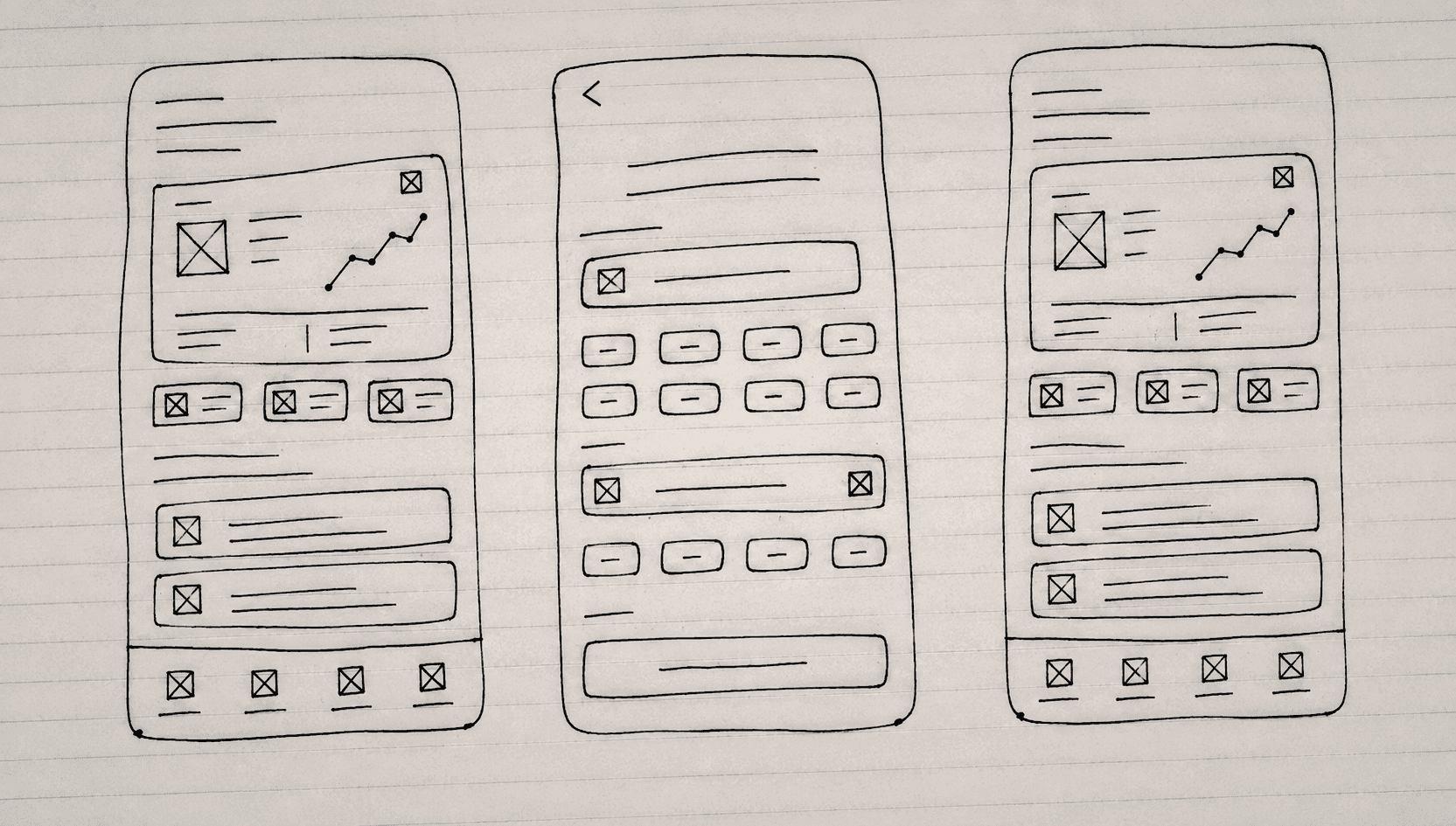
WIREFRAMES